
Sign up now
Join now and unlock your hidden features and OEM upgrading experiences.
You must be logged in to submit the form.

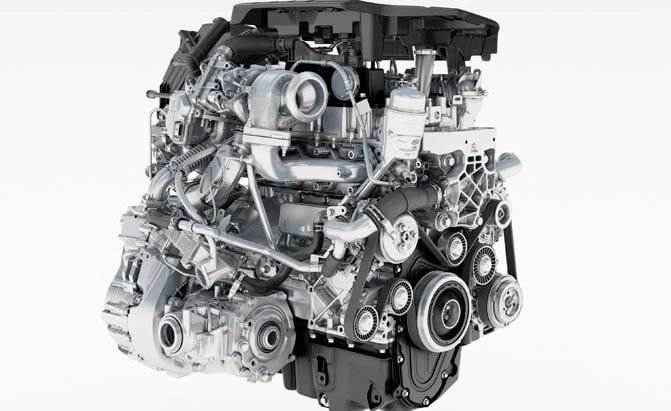
$1,194.00
0-60 = from 5.5s to 4.8sPower = from
460ps to 550psTorque = from 660nm to 800nmTop Speed = from 140mph to
150mphPlease note – this is not a “re-map”. This is a genuine power
upgrade. We use the same process that is used on the production line to
ensure that the correct calibrations are uploaded to the
vehicle.Manufacturers specifications are maintained.Requirements: MY24+
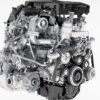
JLR engineers design the shared P460e/P550e powertrain with identical mechanical components, with performance limits locked via factory ECU mapping. Our P460e to P550e flash applies official JLR P550e VBF calibration files to adjust turbo boost profiles, fuel injection timing, e-motor torque blending and high-voltage battery discharge limits. The HVPCM maintains factory thermal protection thresholds for the 32kWh lithium-ion pack to avoid overheating under heavy load. The system synchronises new output data to the digital driver display to show updated power and torque readouts. All safety interlocks, regenerative braking and EV drive modes remain fully functional post-programming.
You gain sharper throttle response, stronger low-end pull and improved overtaking performance with the P550e calibration. The extra 140Nm of torque delivers faster acceleration from standstill and mid-range highway speeds while preserving the original EV range and hybrid efficiency balance. The upgrade eliminates factory power restrictions without sacrificing vehicle durability or diagnostic capability. Towing capacity stays unchanged, and all standard hybrid functions including DC fast charging, regenerative braking and charge scheduling operate exactly as factory intended.
You only require a compatible DoIP VCI interface and stable 30A battery maintainer to complete the flash process. Our technicians first back up the original vehicle CCF and ECU firmware for full reversibility. The tool establishes a secure gateway DoIP session to flash P550e VBF files to ECM and HVPCM modules. We then update the vehicle CCF to register P550e powertrain parameters across BCM and instrument cluster modules. A full post-programming network scan clears temporary DTCs and validates all powertrain communication links. The entire process takes 45–60 minutes and leaves no permanent vehicle modifications.
You must be logged in to post a review.
Performance Upgrade
Performance Upgrade
Performance Upgrade
Performance Upgrade
Performance Upgrade
Performance Upgrade
Performance Upgrade
Performance Upgrade
Reviews
There are no reviews yet.