Sign up now
Join now and unlock your hidden features and OEM upgrading experiences.
You must be logged in to submit the form.

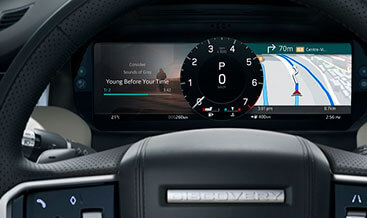
Interactive Driver Display (TFT cluster) delivers genuine OEM full‑digital re‑configurable instrument‑cluster functionality for DOIP‑based JLR Defender L663 vehicles. However, many mid‑trim Defender variants are equipped with partial‑digital instrument hardware or locked‑down TFT units; even after physical installation of the genuine full‑feature IPC TFT assembly, CCF trim‑level feature flags restrict available layouts and graphic functions. As a result, drivers are limited to basic fixed gauge readouts without full‑screen navigation mapping, customisable cockpit themes or rich ADAS status visualisation. If you aim to establish a complete driver‑information ecosystem, pair this retrofit with our Head‑Up Display. It synchronises TFT‑cluster graphics with windscreen‑projected warning and navigation overlays for unified driver feedback. This kit supplies genuine OEM IPC TFT instrument‑cluster assembly, LVDS signal‑adaption pigtails and all dashboard mounting fasteners. In turn, it unlocks multiple configurable gauge layouts, full‑screen map rendering, ADAS alert visualisation and steering‑wheel‑controlled display‑setting adjustments linked with the Pivi Pro infotainment system.
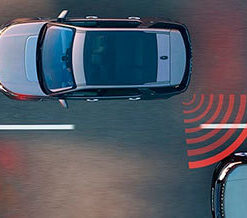
First of all, complete Interactive Driver Display TFT‑cluster functionality will never activate from hardware swap of the IPC unit alone. Next, technicians perform partial dashboard trim teardown, remove the original instrument‑cluster unit and install the OEM full‑feature TFT IPC assembly. They validate LVDS high‑speed graphic‑signal wiring and securely lock every IPC electrical‑connector position. After that, our jlrcoding team completes a comprehensive DOIP diagnostic scan. We enable interactive‑driver‑display‑tft‑cluster feature flags within the vehicle CCF configuration file. Furthermore, we execute multi‑parameter adaptation for IPC instrument‑cluster‑module, IAM infotainment‑master‑module, DADC driver‑assist‑domain‑controller, BCM body‑control‑module and GWM gateway‑module. Once coding finishes, the IPC receives graphic‑stream data from IAM and DADC. Meanwhile, configurable gauge modes, full‑screen navigation and ADAS warning‑status panels become accessible via steering‑wheel multi‑function switches. For this reason, check our Blind Spot System if you wish to populate your TFT cluster with live blind‑spot‑monitor and rear‑cross‑traffic alert notifications.
This retrofit provides OEM full‑feature IPC TFT instrument‑cluster assembly, LVDS graphic‑signal adapter pigtails, dashboard mounting hardware and all required fastening components. The IPC renders gauge graphics, navigation map tiles and ADAS status frames, receiving real‑time vehicle data over the high‑speed CAN‑FD bus backbone. Subsequently, navigation‑frame, ADAS‑status and powertrain‑diagnostic messages travel over CAN‑FD bus from IAM, DADC and other ECUs toward IPC, BCM and GWM modules. Once activated, drivers toggle between twin‑dial classic view, single‑dial minimalist layout and full‑screen map view via steering‑wheel controls. ADAS warnings, terrain‑response status and media playback data are rendered natively on the TFT display. All graphic‑stream synchronisation, layout‑switch timing and warning‑priority‑routing behaviour strictly complies with original JLR factory L663 specifications. Notably, the IPC maintains bi‑directional data sync with Pivi Pro, so display‑preference changes apply across both centre touch‑screen and driver‑cluster. Even so, multi‑layout selection and full‑screen‑map rendering remain dormant after purely mechanical IPC‑hardware fitment. Rather, they require authorised DOIP multi‑module programming plus TFT graphic‑stream synchronisation calibration to operate correctly. Finally, combine this driver‑focused upgrade with Large 11.4 PiVi Pro Touchscreen for harmonised high‑resolution graphics across both driver‑cluster and central infotainment display.
This Interactive Driver Display (TFT cluster) retrofit suits 2020+ Defender L663 90, 110 and 130 models. The vehicle must support GWM‑managed CAN‑FD domain‑backbone architecture and physical dashboard‑mounting space for the full‑feature IPC TFT assembly. Therefore, submit your VIN number first. We inspect existing IPC‑compatible IAM, DADC, BCM and GWM firmware revisions before dashboard‑trim disassembly commences.
Local workshop tasks include partial dashboard trim removal, original instrument‑cluster dismounting and OEM TFT IPC installation. Technicians fit LVDS signal adapters and lock CAN‑FD harness connections for the cluster module. In some cases, base‑trim vehicles require supplementary wiring upgrades to satisfy JLR high‑speed graphic‑stream communication‑requirements. When hardware installation finishes, we create a secure backup of your original CCF file. We activate the interactive‑driver‑display‑tft‑cluster feature flags. Then we execute TFT graphic‑stream synchronisation, layout‑profile mapping and steering‑wheel‑switch input‑parameter tuning. Last of all, we clear all instrument‑cluster‑related DTC fault codes.
You can pair local fitting with our worldwide remote coding service. Remote sessions require a DOIP‑VCI or Enet Type‑C cable. In short, follow the standard jlrcoding remote‑service workflow.
Every retrofit starts with pre‑install diagnostic health‑check and original CCF backup. After coding completes, we verify layout‑switch responsiveness, full‑screen‑map rendering quality, ADAS‑alert visual‑feedback and steering‑wheel‑control functionality. Importantly, hardware‑only TFT‑IPC fitment cannot deliver fully‑compliant factory Interactive Driver Display (TFT cluster) functionality.
Otherwise, incomplete adaptation or mis‑calibrated graphic‑stream parameters produce distorted map rendering, missing layout‑options or persistent instrument‑cluster‑related DTC fault codes. Ultimately, once fully calibrated, this OEM‑spec upgrade elevates the digital cockpit experience. It works well for highway commuters, long‑distance travellers and Defender overland‑focused owners.
Evoque 2012-15

Evoque 2012-15
Evoque 2012-15
Evoque 2012-15
Evoque 2012-15
Evoque 2012-15
Evoque 2012-15