Sign up now
Join now and unlock your hidden features and OEM upgrading experiences.
You must be logged in to submit the form.

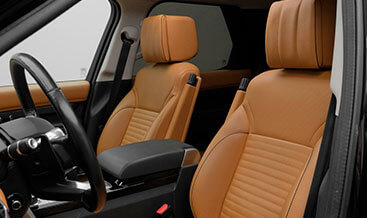
Our Different Type Of Seats Installation service delivers genuine cross‑variant OEM seat assembly installation combined with dealer‑grade DOIP system coding for modern DOiP‑enabled Jaguar and Land‑Rover vehicles.
Many DOiP‑JLR chassis share identical floor mounting points for seats, allowing swap‑in of higher‑spec assemblies such as memory, heated‑cooled ventilated or massage seats. However, different‑type seat units bring modified DSM driver‑seat‑module, PSM passenger‑seat‑module, additional motors, bladder matrices, peltier cooling elements and revised LIN‑bus wiring. Simply bolting in upgraded physical seat assemblies alone cannot enable full comfort‑feature functionality. Therefore, without validated CCF configuration, DSM, PSM, BCM body‑controller and GWM gateway misinterpret new seat hardware, generate body‑comfort‑related DTC faults and hide seat‑comfort menu tabs inside the Pivi‑Pro touch‑screen interface.
In addition, we utilise certified Pathfinder DOIP programming to update DSM, PSM, BCM and GWM gateway CCF parameters. Specifically, this configures correct seat‑variant type flags, enables memory mapping, heating‑cooling logic, massage‑bladder control and Pivi‑Pro seat‑comfort‑menu activation. We supply matching OEM seat assemblies, adaptor LIN‑bus harnesses and mounting hardware for retrofit‑eligible vehicles.
JLR Different‑Type‑Of‑Seats installation covers cross‑variant seat swaps managed by DSM and PSM seat‑control‑modules. Furthermore, DSM‑PSM communicate over LIN‑CAN bus with BCM and GWM gateway modules to read motor‑position sensors, manage thermal‑element cycles, run massage‑air‑bladder sequencing and report seat‑hardware variant identity to the vehicle body domain.
Factory‑available different‑type seat variants include standard manual‑adjust, full‑power, 3‑position memory, heated‑only, heated‑cooled ventilated and pneumatic massage seat assemblies. As a result, after correct installation and coding, the newly‑fitted higher‑spec seats deliver all their native comfort functions, while respecting factory safety interlocks including occupant‑detection and over‑temperature thermal protection. Every seat variant carries unique DSM‑PSM configuration datasets matching its installed motors, sensors and comfort hardware.
Physical fitment of different‑type seat assemblies, harness adaptors and mounting hardware cannot deliver complete feature‑operation. Meanwhile, valid CCF build‑file flags must notify the vehicle network which exact seat‑hardware variant is now physically fitted. Multiple DOiP‑architecture JLR platforms require explicit CCF re‑configuration to import matching seat‑variant parameter sets, motor‑ramp tables and comfort‑feature enablement flags.
Generic seat‑bolton‑swap and unvalidated third‑party coding cannot replicate JLR factory DSM‑PSM variant‑specific calibration, thermal‑protection thresholds and LIN‑bus signal‑filtering rules. Consequently, poor‑quality configuration can produce intermittent DSM‑PSM DTC faults, non‑functional massage or ventilation, jerky seat‑motor movement or persistent body‑comfort‑system warning‑lamp illumination.
Our programming strictly follows official JLR OEM seating‑system technical specifications. Note that we apply only validated CCF seat‑variant configuration‑flag edits. Permanent destructive DSM / PSM ECU‑flash operations are avoided where possible when existing modules can support new hardware. All factory occupant‑detection, thermal‑safety routines, diagnostic‑logging routines and bus‑signal‑protection stay fully intact, preserving long‑term seat‑assembly and control‑module‑hardware reliability.
After different‑type‑seats hardware fitment and DOIP configuration, swapped seat assemblies operate strictly to original JLR factory specifications for their respective seat variant.
Genuine cross‑variant seat installation unlocks the full feature set belonging to your newly‑fitted OEM seat hardware. Moreover, supported functions include power adjustment, 3‑position memory recall, multi‑level seat heating, ventilated cooling and pneumatic massage programmes, all configurable via native Pivi‑Pro seat‑comfort menus.
Seat‑system‑status and sensor‑data signals transmit correctly across LIN‑CAN bus. In addition, instrument‑cluster body‑comfort warning indicators operate correctly; no persistent comfort‑system fault lamps appear after successful configuration. Existing vehicle climate, restraint‑system and infotainment functions retain full operational capability alongside upgraded‑seat‑comfort features.
Every seat‑motor ramp‑speed value, thermal‑protection threshold and massage‑timing parameter retains OEM‑factory‑calibrated values matching the installed different‑type seat‑assembly specification.
This Different Type Of Seats Installation retrofit and coding service supports DOiP‑capable JLR platforms with matching floor‑pan seat‑mount geometry, compatible LIN‑CAN bus architecture.
Supported platforms include New Range Rover L460, Range Rover Sport L461, Defender L663, Velar, Discovery 5 L462 and latest‑generation premium Jaguar DOIP‑chassis models with Pivi‑Pro infotainment. Note that some swaps require full complete retrofit‑kit including complete different‑type seat‑pair assemblies, revised DSM‑PSM units and LIN‑bus‑wiring‑harness adaptors. Alternatively, other vehicles can reuse original seat‑control‑modules if firmware supports incoming seat‑hardware variant.
Vehicles with non‑matching floor‑mount points or non‑compliant DSM‑PSM firmware revision are not eligible for certain seat‑variant swaps. Before technicians commence mechanical‑installation or coding‑tasks, our team completes full pre‑program diagnostic‑scan. Specifically, this scan validates DSM‑PSM‑BCM module firmware‑versions, LIN‑CAN‑bus stability and different‑type‑seats‑hardware eligibility‑status including restraint‑system and body‑comfort‑system health‑checks.
Our complete service workflow opens with multi‑module pre‑upgrade diagnostics covering DSM driver‑seat‑module, PSM passenger‑seat‑module, BCM body‑controller and GWM gateway unit.
We read existing seating‑comfort‑system DTC history, verify SRS‑occupant‑detection operational health and assess floor‑pan‑mounting and LIN‑bus‑wiring eligibility for Different Type Of Seats Installation retrofit hardware. Furthermore, technicians perform full mechanical installation of genuine OEM different‑type seat assemblies, LIN‑bus harness adaptors and mounting hardware following Jaguar Land‑Rover official workshop‑service‑procedures for seat removal‑and‑refitting.
After mechanical fit‑out and connector validation, technicians run official JLR Pathfinder DOIP CCF programming. This procedure enables target‑seat‑variant‑system parameters and synchronises DSM‑PSM‑BCM across the vehicle‑network.
We then execute full functional‑validation‑testing including seat‑motor adjustment cycles, memory‑profile save‑recall, heating‑cooling performance, massage‑program execution and Pivi‑Pro seat‑comfort‑menu‑access verification. Lastly technicians clear all residual fault‑codes to deliver consistent long‑term OEM‑standard Different Type Of Seats Installation performance.
I-Pace 2021+
I-Pace 2021+
I-Pace 2021+
I-Pace 2021+
I-Pace 2021+
I-Pace 2021+
I-Pace 2021+