
Sign up now
Join now and unlock your hidden features and OEM upgrading experiences.
You must be logged in to submit the form.

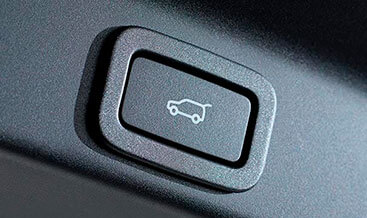
Powered Tailgate Retrofit & OEM DOIP Coding | JLR Automatic Power‑Lift Tailgate Upgrade
Our Powered Tailgate package delivers genuine OEM power lift‑gate hardware installation and activation for modern DOiP‑architecture Jaguar Land‑Rover EVA2.0 vehicles. Many chassis retain rear‑body mounting positions and LIN‑bus body‑domain network routing required for TGM Tailgate‑Control‑Module, electric strut assemblies and motorised latch hardware.
Many base‑trim variants are equipped with manual tailgate operation and omit TGM control‑unit, motorised gas struts, anti‑pinch sensors and matching CCF build‑data flags. Simply fitting physical powered‑tailgate mechanical hardware alone cannot unlock full factory‑spec automatic open‑close, height‑memory and anti‑pinch safety functionality.
Without validated CCF configuration, TGM tailgate‑module, BCM body‑controller, IMC infotainment‑master‑controller and GWM gateway cannot synchronise body‑domain LIN‑bus and CAN‑FD signals. As a result powered‑tailgate configuration menu entries stay hidden in Pivi Pro vehicle‑settings, and body‑system‑related DTC fault‑codes may populate. Our technicians utilise official Pathfinder diagnostics to apply validated CCF edits for complete Powered Tailgate operation across vehicle networks.
JLR OEM Powered Tailgate is a body‑controlled comfort‑safety peripheral managed primarily by the TGM Tailgate‑Control‑Module. Paired motor‑driven electric struts provide lift‑and‑closure force while integrated anti‑pinch obstacle‑detection sensors protect against impact during tailgate travel cycles.
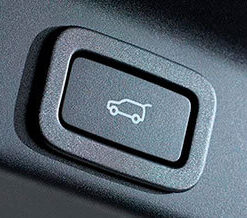
It exchanges CAN‑FD and LIN‑bus status frames with BCM, IMC and GWM gateway modules. TGM executes tailgate movement sequences, monitors anti‑pinch sensor feedback, stores user‑defined opening‑height memory profiles and responds to trigger inputs from tailgate‑mount switch, key‑fob button or Pivi Pro on‑screen controls.
Next, the system supports configurable maximum opening‑height memory, remote key‑fob actuation and soft‑latch pull‑to‑close for final‑seat latching. Anti‑pinch detection automatically reverses tailgate movement if solid obstructions are detected during open or close cycles. Moreover, powered‑tailgate logic integrates with vehicle lock‑status and alarm system states.
Additionally, diagnostic monitoring tracks strut load values, sensor health and switch input status. Even so, physical TGM, electric‑strut and latch hardware alone cannot activate this complete powered‑tailgate feature‑set.
Your vehicle CCF build‑file must declare that Powered‑Tailgate OEM hardware is physically fitted. Generic third‑party coding cannot replicate JLR factory strut load‑thresholds, anti‑pinch response‑profiles or TGM LIN‑bus‑node‑initialisation‑parameters.
Poor‑quality configuration triggers intermittent TGM‑BCM DTC faults, erratic tailgate‑movement, failed anti‑pinch response or missing Pivi‑Pro vehicle‑settings‑menu‑entries. Our programming adheres strictly to official JLR TOPIx workshop technical standards.
We apply only approved CCF‑flag changes and avoid irreversible TGM ECU‑flash‑operations. Existing manual tailgate latch, central‑locking and Pivi‑Pro infotainment functions remain fully intact after coding‑completion.
Once hardware fitment, TGM calibration and DOIP configuration finish, Powered Tailgate runs strictly to original JLR factory‑specifications. Most importantly automatic motor‑driven open‑close cycles, anti‑pinch obstacle‑reversal and user‑configurable opening‑height memory become fully operational.
Drivers gain native Pivi Pro vehicle‑settings‑menu access to adjust tailgate opening‑height memory and review system status. Besides that, tailgate can be triggered via rear‑gate physical switch or smart‑key‑fob button, with soft‑latch final‑closure for secure latching.
The powered‑tailgate‑system‑status and sensor‑metadata‑signals transmit correctly across CAN‑FD / LIN‑bus without communication‑conflicts. At the same time, existing central‑locking and alarm‑system routines retain full‑operational‑compatibility.
This retrofit‑activation‑service supports DOiP EVA2.0 Jaguar Land‑Rover platforms mechanically compatible with OEM Powered‑Tailgate TGM hardware. Supported models include New Range Rover L460, Range Rover Sport L461, Defender L663, Velar L560 and Discovery 5 L462.
On one hand, some vehicles already hold complete TGM, electric‑strut and sensor hardware and only require pure software activation plus TGM calibration. On the other hand, other base‑spec variants need the full Powered‑Tailgate retrofit‑kit including TGM unit, motor struts, anti‑pinch sensors and LIN‑bus harness‑segments. Notably, units without compatible rear‑body mounting geometry or non‑compliant TGM‑BCM firmware cannot use this upgrade.
Before technicians start physical‑or‑coding‑work, we run a full pre‑upgrade diagnostic‑scan. It validates module‑firmware‑versions, CAN‑FD / LIN‑bus health and Powered‑Tailgate‑hardware‑eligibility‑status.
First we complete a full diagnostic‑scan across TGM, BCM, IMC and GWM. We capture existing body‑system DTC fault‑codes and confirm baseline LIN‑bus‑network health‑status.
Our technicians install OEM TGM tailgate‑control‑module, motor‑electric strut assemblies, anti‑pinch sensors and LIN‑bus harness adaptors where hardware is missing. All connector‑terminations, torque‑spec fastener settings follow JLR workshop tailgate‑and‑rear‑trim disassembly‑refitting‑procedures.
After mechanical fit‑out and hardware‑validation‑finishes, we execute official Pathfinder DOIP CCF programming plus TGM powered‑tailgate system‑calibration. This step enables Powered‑Tailgate build‑flags and synchronises all relevant‑modules on the vehicle CAN‑FD / LIN‑bus network.
Afterwards, we verify automatic open‑close‑cycle performance, anti‑pinch obstacle‑response and Pivi Pro vehicle‑settings‑menu entry. Finally, we clear all residual fault‑codes and run final body‑system validation before customer‑hand‑over.
Evoque 2016-19
Evoque 2016-19
Evoque 2016-19

Evoque 2016-19
Evoque 2016-19
Evoque 2016-19
Evoque 2016-19
Evoque 2016-19