Sign up now
Join now and unlock your hidden features and OEM upgrading experiences.
You must be logged in to submit the form.

Keyless entry
Keyless entry (Passive Entry) is a premium convenience retrofit for DOIP‑architecture JLR Defender L663 vehicles. Many base‑trim L663 vehicles use standard remote‑fob locking only. Drivers must press buttons on the key fob to lock or unlock doors. This complete OEM‑spec retrofit adds genuine JLR passive‑entry hardware for hands‑free vehicle access.
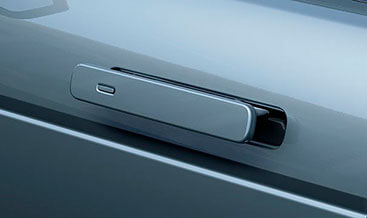
This upgrade is not pure‑software activation. It needs sensor‑fitted door handles, exterior and interior LF antennas and compatible KVM/RFA keyless‑vehicle‑module installation. Professional jlrcoding DOIP diagnostics, CCF feature‑flag editing and security‑module adaptation are mandatory. Correct programming enables touch‑handle lock‑unlock behaviour and full integration with the vehicle BCM body‑control‑module.
The retrofit kit includes touch‑sensor door‑handle assemblies, low‑frequency LF antennas and matching KVM/RFA keyless vehicle module. The KVM/RFA module communicates over CAN‑FD bus with BCM, instrument cluster and immobiliser systems. Antennas detect the valid smart‑key‑fob proximity around the vehicle body.
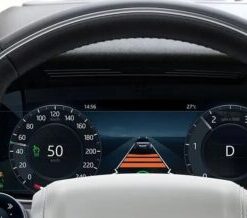
With working keyless‑entry, you touch the sensor area on door handles to lock or unlock the vehicle. The system validates key‑fob identity before releasing door locks. It also supports walk‑away lock when you move away with the smart key. Instrument cluster shows relevant status messages for key‑detection feedback.
After physical hardware fitment, basic remote‑fob functions may still operate. Passive touch‑handle keyless‑entry functions will stay inactive without correct module programming, antenna calibration and security‑ID synchronisation.
This Keyless entry retrofit fits 2020‑onwards Defender L663 90, 110 and 130 chassis. Submit your VIN number to jlrcoding first for pre‑retrofit hardware‑part‑number validation. Our technicians run a full DOIP pre‑scan before any door‑trim or handle‑disassembly work.
Mechanical work includes door‑handle replacement, LF‑antenna mounting and secure wiring‑harness routing. After hardware installation finishes, our team backs‑up your original CCF file. We enable passive‑entry feature flags, complete KVM/RFA module adaptation and synchronise security‑target‑ID data. Related security‑system DTC faults get cleared during post‑configuration steps.
You can arrange local physical fitting paired with our global remote coding service. Remote sessions require a DOIP‑VCI or Enet Type‑C cable following jlrcoding standard remote‑service workflow.
Every Keyless entry retrofit includes pre‑installation diagnostic health‑check and original CCF backup. Our team verifies touch‑handle lock‑unlock response, walk‑away‑lock function and key‑detection performance after configuration. Hardware swap alone cannot deliver complete passive‑entry functionality.
Incomplete module adaptation can trigger “Smart‑key not‑found” warnings or intermittent handle‑sensor behaviour. Once fully calibrated, this OEM‑spec convenience upgrade brings flagship‑grade hands‑free access for daily‑driven Defender L663 owners.
Velar 2021+
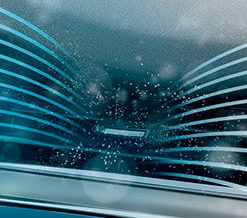
Velar 2021+
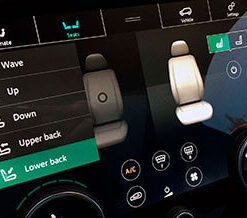
Velar 2021+

Velar 2021+
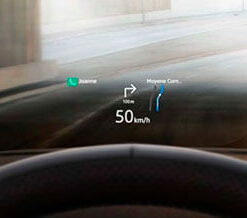
Velar 2021+
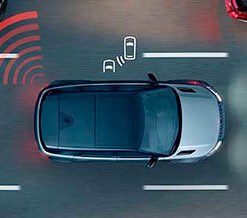
Velar 2021+
Velar 2021+