Sign up now
Join now and unlock your hidden features and OEM upgrading experiences.
You must be logged in to submit the form.

Different type of seats installation
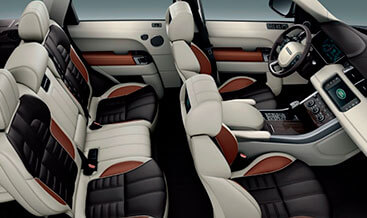
Different type of seats installation delivers validated OEM seat‑variant replacement and full system integration for DOIP‑based JLR Defender L663 vehicles. However, many owners upgrade to higher‑spec OEM seat assemblies (power‑adjust, heated‑cooled, memory or massage seats), yet simple physical bolt‑in fitment leaves seat‑related features non‑operational and triggers DTC fault codes. As a result, swapped seats show partial or zero functionality alongside instrument‑cluster restraint‑system warning notifications. If you aim to build a complete premium seating cabin, pair this retrofit with our Seats memory. It unlocks position‑recall logic once upgraded seat hardware is fully integrated. This service supports multiple OEM seat‑variant swaps, including manual‑to‑power, basic‑to‑climate‑seats and standard‑to‑massage assemblies. In turn, it enables all embedded seat functions and clears restraint‑system and seating‑module fault entries within vehicle control units.
First of all, full seat‑variant functionality will never activate by physically bolting in different seat hardware alone. Next, local technicians execute seat removal, new‑variant seat installation, connector verification and check mounting‑bracket compatibility for Defender L663 chassis points. They inspect LIN‑bus and power‑feed harness integrity for the newly‑fitted seat modules. After that, our jlrcoding team completes a comprehensive DOIP diagnostic scan. We update seat‑variant‑related feature flags inside the vehicle CCF configuration file. Furthermore, we perform multi‑parameter adaptation for DSM driver‑seat‑module, PSM passenger‑seat‑module, SAM seat‑adjustment‑module, BCM body‑control‑module and IAM infotainment‑master‑module. Once coding finishes, the vehicle recognises the new seat hardware variant. Meanwhile, it restores climate‑seat, power‑movement or massage menu entries on the Pivi Pro display. For this reason, check our Heated and Cooled front seats if your target seat variant includes active heating‑cooling elements.
This retrofit service covers OEM seat‑variant physical fit‑validation, harness inspection, plus DOIP programming and calibration work for newly‑installed seat assemblies. DSM and PSM communicate sensor data, actuator commands and thermal‑safety status for whichever seat variant is fitted. Subsequently, seating‑system diagnostic and functional signals travel over LIN‑bus and CAN‑FD bus toward SAM, BCM and IAM modules. Once correctly coded, the vehicle matches module configuration to the actual physical seat hardware: power adjustments, heating, ventilation, memory profiles or pneumatic massage operate according to JLR factory specification for that exact seat part‑number variant. Notably, air‑bag and seat‑belt pretensioner parameters also require validation after seat swap to maintain restraint‑system compliance. Even so, newly‑fitted premium‑seat features stay dormant and fault‑codes persist after purely mechanical seat‑swap installation. Rather, they require authorised DOIP multi‑module reprogramming plus seat‑variant relearn calibration to operate correctly. Finally, you can combine this seat‑swap integration service with Rear heated seats when also upgrading second‑row seat hardware variants.
This Different type of seats installation retrofit suits 2020+ Defender L663 90, 110 and 130 models. The replacement seats must be genuine L663 OEM variants with matching chassis mounting geometry and connector pin‑outs. Therefore, submit your VIN plus seat part‑numbers for target replacement seats first. We inspect existing DSM, PSM, SAM, BCM and IAM firmware revisions before any seat‑removal work commences.
Local workshop tasks include original‑seat dismounting, new‑variant‑seat fitment, mounting‑point inspection and all seat‑module connector locking. In some cases, supplementary LIN‑bus or power wiring upgrades are required to satisfy JLR seat‑variant electrical requirements. After physical installation completes, we create secure backup of your original CCF file. We apply updated seat‑variant CCF feature‑flag configuration. Then we execute seat‑module variant‑relearn, actuator‑offset calibration and restraint‑system parameter validation. Last of all, we clear all seat‑system and SRS‑related DTC fault codes.
You can pair local seat‑fitting work with our worldwide remote coding service. Remote sessions require a DOIP‑VCI or Enet Type‑C cable. In short, follow the standard jlrcoding remote‑service workflow.
Every retrofit starts with pre‑install diagnostic health‑check and original CCF backup. After coding completes, we verify all seat‑actuator responses, climate‑seat performance, infotainment‑menu visibility and SRS fault‑free status. Importantly, mechanical‑only different‑seat‑type installation cannot deliver fully‑compliant factory seat‑system functionality.
Otherwise, incomplete adaptation or mismatched seat‑variant parameters produce non‑functional seat features, intermittent module communication errors or SRS warning lamp illumination. Ultimately, once fully calibrated, this OEM‑spec integration service unlocks the full capability of your upgraded seat hardware. It works well for family‑shared vehicles, daily commuters and Defender overland‑focused owners.

F-Pace 2021+
F-Pace 2021+
F-Pace 2021+
F-Pace 2021+
F-Pace 2021+
F-Pace 2021+
F-Pace 2021+