Sign up now
Join now and unlock your hidden features and OEM upgrading experiences.
You must be logged in to submit the form.

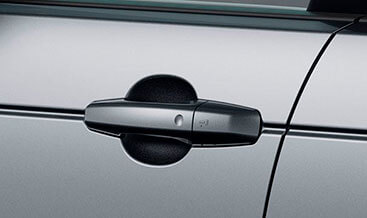
Our Keyless Entry (Passive‑Entry PEPS) service delivers genuine OEM passive‑entry hardware installation combined with dealer‑grade DOIP system coding for modern DOiP‑enabled Jaguar and Land‑Rover vehicles.
Many DOiP JLR chassis share PEPS system architecture; however, base‑trim configurations omit the KVM Keyless‑Vehicle‑Module, exterior‑interior LF low‑frequency antennas and capacitive touch‑sensor door handles. Simply fitting KVM module, LF antennas and capacitive handles alone cannot enable full hands‑free keyless‑entry functionality. Therefore, without validated CCF configuration, KVM, BCM body‑controller and GWM gateway ignore smart‑key proximity‑detection signals, generate security‑access‑related DTC faults and block passive‑entry hands‑free lock‑unlock logic across the CAN‑FD vehicle network.
In addition, we utilise certified Pathfinder DOIP programming to update KVM, BCM and GWM gateway CCF parameters. Specifically, this enables LF‑antenna signal‑detection thresholds, capacitive‑handle trigger logic, immobiliser security handshake and instrument‑cluster key‑presence warning messages. We supply genuine OEM KVM control‑module, LF‑antenna assemblies, capacitive door‑handle units and CAN‑FD harness adaptors for retrofit‑eligible vehicles.
JLR OEM Keyless Entry (Passive‑Entry PEPS) is a smart‑key proximity access security‑system managed by the dedicated KVM Keyless‑Vehicle‑Module. Furthermore, KVM communicates over CAN‑FD bus with BCM and GWM gateway modules to process 125 kHz LF‑antenna proximity readings, validate smart‑key transponder credentials and send lock‑unlock commands to central‑locking hardware.
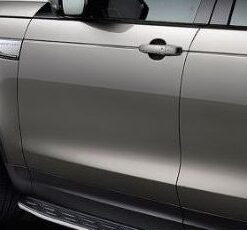
Exterior‑mounted LF antennas detect valid smart‑fobs within close proximity of door‑handles. As a result, users can unlock doors by gripping capacitive door‑handles and lock by touching handle sensor zones without pressing physical key‑fob buttons. The system integrates with factory immobiliser PATS security routines and supports walk‑away locking when the smart‑key moves outside detection range. Interior LF antennas verify the smart‑key is present inside cabin for passive‑start ignition authorisation.
Physical fitment of KVM module, LF antennas, capacitive door‑handles and wiring loom cannot deliver complete feature‑operation. Meanwhile, valid CCF build‑file flags must notify the vehicle network that passive‑entry PEPS hardware is physically installed. Multiple DOiP‑architecture JLR platforms require explicit CCF re‑configuration to unlock KVM proximity‑detection tables, capacitive‑handle trigger parameters and security‑handshake logic.
Generic aftermarket handle‑kit fitting and unvalidated coding cannot replicate JLR factory LF‑antenna detection‑range calibration, anti‑theft immobiliser handshake rules and bus‑signal‑filtering parameters. Consequently, poor‑quality configuration can produce intermittent KVM‑BCM DTC faults, false “key‑not‑detected” warnings, unreliable proximity‑lock‑unlock or persistent body‑security‑system warning‑lamp illumination.
Our programming strictly follows official JLR OEM PEPS security‑system technical specifications. Note that we apply only validated CCF configuration‑flag edits paired with smart‑key transponder synchronisation where required. Permanent destructive KVM ECU‑flash operations are avoided where possible. All factory anti‑theft PATS security‑routines, diagnostic‑logging routines and bus‑signal‑protection stay fully intact, preserving long‑term keyless‑system and control‑module‑hardware reliability.
After hardware fitment, smart‑key synchronisation and DOIP configuration, Keyless Entry PEPS operates strictly to original JLR factory specifications.
Genuine OEM passive‑entry keyless‑entry delivers hands‑free proximity unlock by gripping capacitive door‑handles and touch‑to‑lock walk‑away locking functionality. Moreover, LF‑antenna smart‑key presence‑detection works alongside factory PATS immobiliser anti‑theft protection, with instrument‑cluster “key‑not‑detected” warning notifications for system‑status feedback.
All keyless‑entry and central‑locking status‑signals transmit correctly across CAN‑FD bus. In addition, body‑security warning indicators operate correctly; no persistent security‑system fault lamps appear after successful configuration. Existing remote‑fob button‑lock‑unlock, passive‑start and alarm‑security‑functions retain full operational capability alongside passive‑entry keyless‑entry features.
Every LF‑antenna detection‑range value, capacitive‑handle‑trigger threshold and immobiliser‑handshake parameter retains OEM‑factory‑calibrated values for JLR Keyless‑Entry PEPS specification.
This Keyless‑Entry PEPS retrofit and coding service supports DOiP‑capable JLR platforms mechanically compatible with OEM KVM‑LF‑antenna and capacitive‑door‑handle PEPS hardware.
Supported platforms include New Range Rover L460, Range Rover Sport L461, Defender L663, Velar, Discovery 5 L462 and latest‑generation premium Jaguar DOIP‑chassis models with Pivi‑Pro infotainment. Note that some chassis require full complete retrofit‑kit including KVM unit, LF‑antenna set, capacitive door‑handles and CAN‑FD‑bus wiring‑harness adaptors. Alternatively, other vehicles have partial pre‑installed PEPS wiring or dormant KVM hardware requiring only software‑activation.
Vehicles without compatible door‑handle mounting geometry or non‑compliant KVM‑BCM firmware revision are not eligible for this upgrade. Before technicians commence mechanical‑installation or coding‑tasks, our team completes full pre‑program diagnostic‑scan. Specifically, this scan validates KVM‑BCM module firmware‑versions, CAN‑FD‑bus stability and genuine keyless‑entry‑PEPS‑hardware eligibility‑status including body‑security‑system health‑checks.
Our complete service workflow opens with multi‑module pre‑upgrade diagnostics covering KVM keyless‑vehicle‑module, BCM body‑controller and GWM gateway unit.
We read existing body‑security‑system DTC history, verify central‑locking and alarm‑system operational health and assess door‑handle‑mounting and CAN‑FD‑bus‑wiring eligibility for Keyless‑Entry PEPS retrofit hardware. Furthermore, technicians perform full mechanical installation of genuine OEM KVM unit, LF‑antenna assemblies, capacitive door‑handles and CAN‑FD‑bus harness adaptors following Jaguar Land‑Rover official workshop‑service‑procedures for door‑card and body‑electrics disassembly‑refitting.
After mechanical fit‑out and connector validation, technicians run official JLR Pathfinder DOIP CCF programming together with smart‑key transponder synchronisation as applicable. This procedure enables keyless‑entry‑PEPS‑system parameters and synchronises KVM‑BCM across the vehicle‑network security‑data‑streams.
We then execute full functional‑validation‑testing including proximity‑unlock grip‑handle response, touch‑lock walk‑away‑locking behaviour, key‑not‑detected warning‑message verification and immobiliser anti‑theft‑handshake testing. Lastly technicians clear all residual fault‑codes to deliver consistent long‑term OEM‑standard Keyless‑Entry PEPS performance.
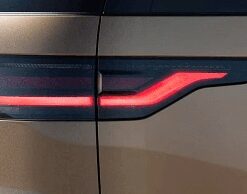
I-Pace 2018-20
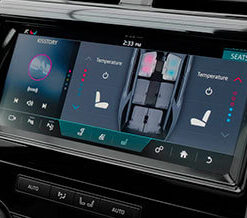
I-Pace 2018-20
I-Pace 2018-20

I-Pace 2018-20
I-Pace 2018-20
I-Pace 2018-20
I-Pace 2018-20
I-Pace 2018-20