Sign up now
Join now and unlock your hidden features and OEM upgrading experiences.
You must be logged in to submit the form.

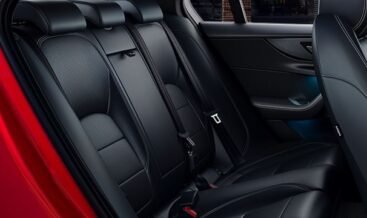
Different Type of Seats Installation & Coding | OEM JLR Seat‑Swap Retrofit Service
Our Different Type of Seats Installation service offers full physical seat‑swap fitment. It also includes professional DOIP‑level coding for modern DOiP‑enabled Jaguar and Land Rover vehicles.
Many owners want to upgrade their factory seats. Common upgrades move from basic manual seats to sport, SVR, memory or heated‑cooled ventilated seat assemblies.
A simple bolt‑on physical swap will not work. DSM, PSM, OCS occupant classification sensor and SRS restraint systems require matching CCF build‑file configuration data.
An un‑coded seat swap creates persistent SRS airbag DTC faults. It also disables heating, cooling and memory functions and triggers instrument‑cluster warning lamps.
We use certified Pathfinder DOIP programming. It updates DSM, PSM, ACU airbag‑control‑unit, BCM and gateway GWM CCF parameters for your new seat hardware.
We supply OEM mounting‑bracket adaptors, wiring‑harness parts and connector adaptors for cross‑variant seat installation. Our OEM‑compliant setup keeps stable LIN‑CAN bus communication. It removes seat‑related safety and comfort DTC faults across all connected vehicle modules.
Modern DOiP‑platform JLR vehicles use DSM driver‑seat‑module and PSM passenger‑seat‑module as primary seat controllers. These modules communicate over LIN‑CAN bus together with the ACU SRS control unit.
The ACU handles occupant‑classification (OCS), side‑airbag and seat‑belt‑pretensioner monitoring. Every seat variant has unique hardware profiles. These profiles cover motor positions, heating mats, ventilation fans, massage bladders and OCS load‑sensing settings.
Proper mechanical fitment needs compatible mounting brackets and wiring harnesses. Valid CCF build‑file flags must tell the vehicle network exactly which seat‑type hardware is fitted to each seating position.
Installing higher‑grade donor seats without matching CCF and module adaptation causes multiple system conflicts. Generic third‑party coding cannot align OCS weight thresholds, DSM‑PSM actuator mapping and SRS squib‑resistance values for new seat hardware.
Poor‑quality set‑ups create permanent airbag warning lights. They can also disable seat comfort features and compromise restraint‑system safety performance.
Our dealer‑level programming follows official JLR OEM technical specifications. We apply only validated CCF configuration flags and DSM‑PSM adaptation for seat‑swap projects. We avoid unnecessary permanent ECU‑flash operations. All factory SRS safety rules, OCS occupant‑detection algorithms and diagnostic‑logging functions stay intact. This protects restraint‑system and seat‑module hardware long‑term reliability.
When technicians finish mechanical fit‑out, harness‑adaptation and DOIP coding, your new seats run to official JLR factory specifications.
We support many OEM seat‑swap conversions. These include standard power seats to sport performance seats, upgrade to SVR bolstered seats, manual‑seat to multi‑memory power seats and heated‑cooled or massage‑seat retrofits.
OCS occupant‑classification sensing, side‑airbag communication and seat‑belt pretensioner monitoring fully re‑sync with the ACU unit.
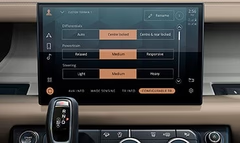
All comfort‑related features work correctly. Memory recall, heating, ventilated cooling and massage options show inside Pivi Pro infotainment seat‑control menus. The instrument‑cluster SRS warning lamp stays off after successful adaptation.
Every OCS weight‑sensing threshold, motor‑position mapping and comfort‑feature timing uses genuine OEM factory‑calibration values matching your installed seat variant.
This Different Type of Seats Installation service works for all DOiP‑capable JLR platforms that support cross‑variant OEM‑seat retrofits.
Supported vehicles include New Range Rover L460, Range Rover Sport L461, Defender L663, Velar, Evoque and latest‑generation premium Jaguar models.
Some chassis need model‑specific mounting‑bracket adaptors and modified wiring harnesses when installing donor seats from higher‑trim donor vehicles.
Before technicians start physical installation or coding work, our team completes a full pre‑program diagnostic scan. This scan checks DSM‑PSM module firmware versions, ACU SRS system health, LIN‑CAN bus stability and target‑seat‑variant hardware‑compatibility eligibility status.
Our full service workflow begins with multi‑module pre‑upgrade diagnostics. We test DSM driver‑seat‑module, PSM passenger‑seat‑module, ACU airbag‑control‑unit, BCM body‑controller and GWM gateway unit.
We read existing OCS data, check current seat‑module status and review mechanical mounting‑point compatibility for target‑variant seats.
During installation work, technicians fit donor‑seat assemblies. They install required OEM‑spec mounting‑bracket adaptors and complete wiring‑harness‑adaptation.
Next, we run official JLR Pathfinder DOIP CCF programming and DSM‑PSM adaptation to match your new‑seat hardware type.
After hardware installation and coding, we run OCS occupant‑sensor calibration, SRS‑system functional validation and full comfort‑feature testing. We test memory‑position recall, heating‑cooling or massage‑program operation, SRS fault‑free status and Pivi Pro seat‑menu responsiveness.
Lastly, technicians clear all residual fault‑codes. This delivers stable long‑term OEM‑standard performance for your newly‑installed different‑type seats.
Uncategorized
Uncategorized
Uncategorized


Uncategorized
Uncategorized
Uncategorized
Uncategorized